
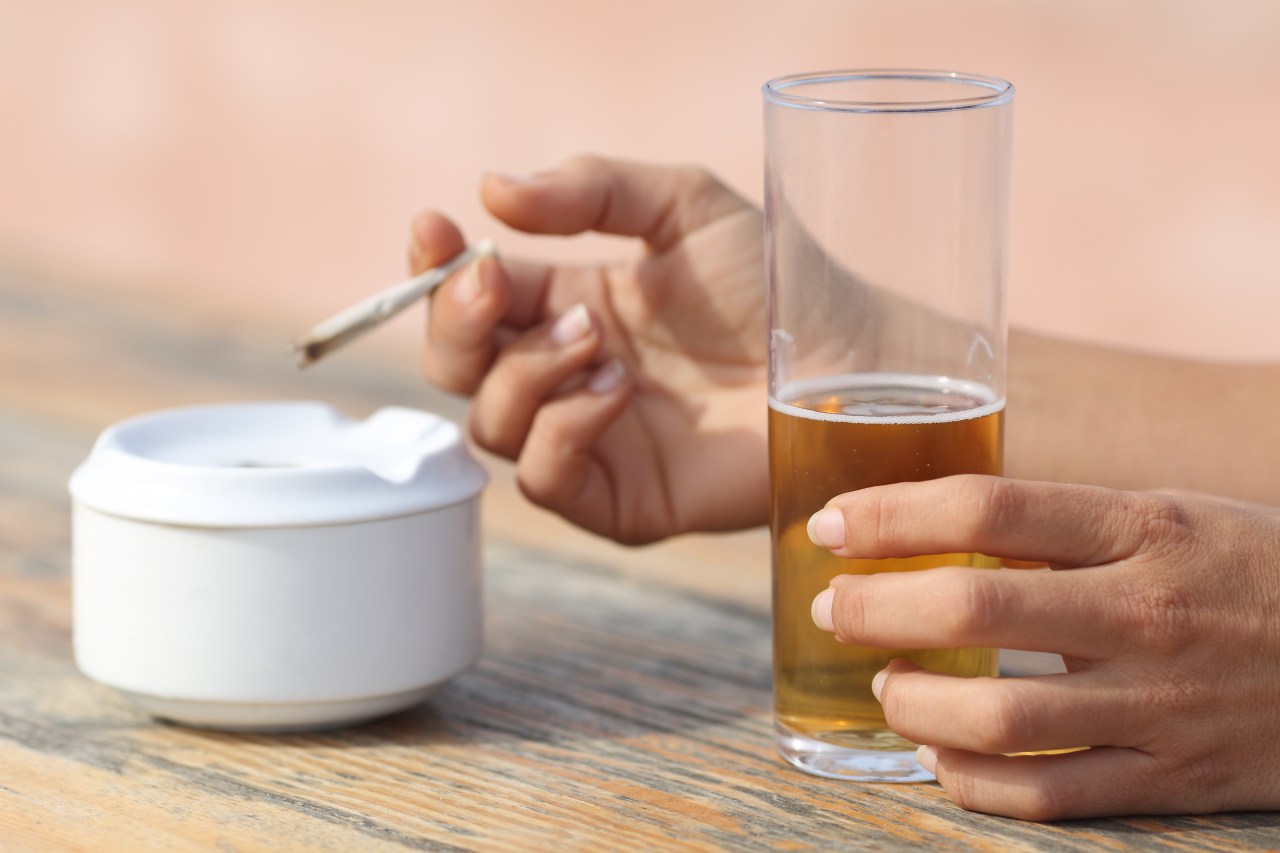
(NEXSTAR). In almost half of the United States alcohol, tobacco, and marijuana are all legal for anyone over 21. The three substances have different taxes, rules and, of course, health effects.
Three doctors from around the country were asked to rate the health effects of alcohol, marijuana and cigarettes.
The three doctors all agreed that the best treatment is a combination of both.
They had to meet a few requirements. It is hard to rank the risks of the different substances in order, as there has not been a major randomized controlled trial that compares them. This was said by Dr. Michael L. Glickman, Washington, D.C.’s family medicine physician and weight loss specialist. He also said that the amount of each substance you consume can have a significant impact on your risk of adverse effects.
Dr. Anand Akhil is a behavioral doctor at Cleveland Clinic. He also noted that everyone has different risk factors, depending on their family history, existing conditions, and other factors.
Akhil says that when generalizing to the average person, alcohol and tobacco are the two worst.
Akhil said, “Alcohol consumption is associated with over 200 diseases and health conditions that affect every organ in the body.” Alcohol consumption can lead to depression, anxiety, dementia and cancers. It also causes heart disease and liver disease. Tobacco use is also strongly linked to cancer, chronic obstructive lung disease and cardiovascular diseases.
Dr. Kevin Most of Northwestern Central DuPage Hospital agreed.
Most said, “I’d definitely rank alcohol No. Most stated this in a interview conducted by WGN Radio. I’m going say that moderate alcohol consumption is fine, but excessive alcohol can cause many diseases.
Most people said that the harms caused by tobacco consumption could be reversed if people quit smoking earlier in their lives. If people stop smoking early, they can re-energize their lungs and return to almost normal.
Glickman, however, disagreed. He ranked smoking as the worst because it is not proven to be good for your health.
“Tobacco is, I believe, the worst substance out of the three. It has no benefit, even at low doses, and it comes with considerable risks.” Glickman explained that tobacco has been associated with heart disease, cancer, and premature death, among other things. Alcohol, on the other side, can be beneficial in small amounts but dangerous when consumed in large quantities.
cited studies that showed up to one glass of red wine per day could reduce inflammation in the blood vessels.
All three doctors were in agreement on the least harmful foods for the average person.
Most stated, “I’d put marijuana third because we know there are many medicinal uses for it and that when used in the correct format and controlled environment, it is perfectly fine.” He said that chemotherapy patients often cite cannabis as being the only thing to keep their appetites up and allow them to get the nutrition they need.
Glickman says evaluating the healthfulness of cannabis and its harmfulness is more complex than the other two.
He said that “the available evidence suggests cannabis could be beneficial when medically supervised in a treatment plan to treat certain conditions, such as chronic pain and anxiety, trauma, insomnia and muscular disorders.” Glickman continued to state that cannabis could worsen certain mental issues, and also impair memory or concentration.
The data shows that young adults with brains not fully developed are at an increased risk.
Continue reading below:
Akhil also noted that while the U.S. Department of Agriculture and Health and Human Services guidelines outline how much alcohol an adult can consume in moderation (2 drinks per day for men and 1 drink per day for women), no guidelines exist for cannabis or tobacco.
Glickman stated, “I believe negative health effects could be possible even for moderate amounts of all three substances depending on the individual and the situation.” There is no vice that’s foolproof.
Three experts said that each person is different and should speak to their doctor about any specific concerns.

